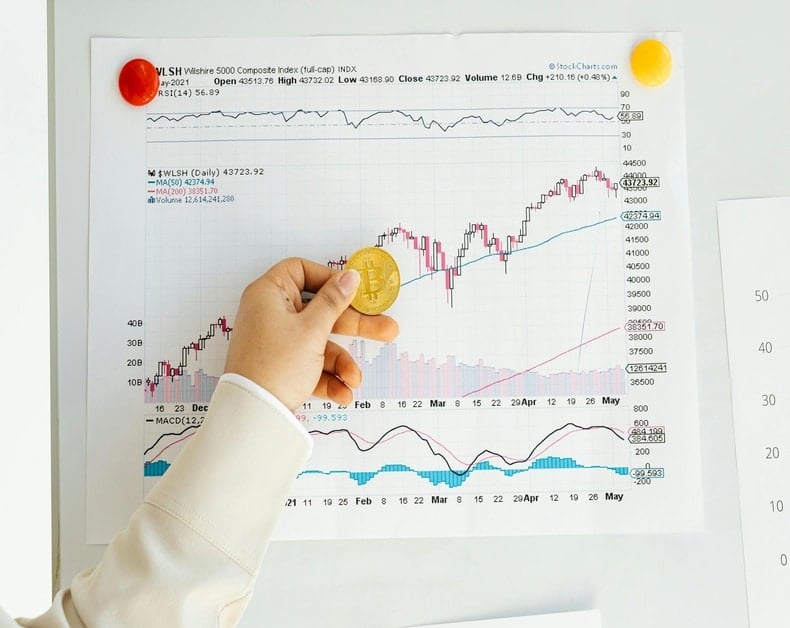

Tech Stocks are attracting significant attention in today’s market. Tech stocks are currently in the spotlight as market dynamics shift dramatically, driven by the surge in artificial intelligence (AI) trade. Despite geopolitical tensions in the Middle East, these stocks have propelled markets to unprecedented highs, showcasing their resilience. The impressive performance of major tech players has sparked interest among many, as observers note the sector’s ability to navigate supply chain challenges and energy cost fluctuations. As we delve into this phenomenon, it’s clear that tech stocks continue to influence the broader market landscape significantly. Meanwhile, small cap stocks remains a key focus for market participants.
Tech Stocks on the Rise
The world of tech stocks is buzzing with excitement as the iShares Semiconductor ETF (SOXX) has seen a remarkable climb, jumping over 30% since hitting its low on 30th March. Among the “Magnificent Seven” — Nvidia (NVDA), Amazon (AMZN), Alphabet (GOOG, GOOGL), Meta (META), and Tesla (TSLA) — all have experienced notable increases, each gaining double-digit percentages. Even the battered iShares Expanded Tech-Software Sector ETF (IGV) has made gains, showing signs of recovery.
Economic Insights from Asia
Chetan Ahya, Morgan Stanley’s chief Asia economist, recently emphasised that companies in need of helium and sulphur are in a position to handle increased prices. This is particularly true for economies like Korea and Taiwan, which continue to bid up gas prices while maintaining production levels. Ahya pointed out that these sectors are significant revenue generators for these economies, allowing them to manage production costs effectively.
Taiwan Semiconductor’s Resilience
Taiwan Semiconductor (TSM) has reassured the market, stating during an earnings report that short-term operational impacts are unlikely. CFO Wendell Huang mentioned that the company procures specialty chemicals and gases, such as helium and hydrogen, from various suppliers across different regions. Additionally, Taiwan Semiconductor maintains a safety stock of inventory and collaborates closely with Taipower and the Taiwan government to ensure a steady energy supply.
Ensuring Energy Stability
In recent market news, hyperscalers have been actively securing long-term renewable energy agreements, locking in electricity prices for a decade or more. This strategic move aims to shield them from escalating costs. Morgan Stanley researchers noted that the escalating demand could expedite the development of affordable energy technologies, potentially benefiting sectors like AI, natural gas, nuclear energy, and more [source].
Oil Market Movements
Recent geopolitical developments have impacted oil prices significantly. Following the announcement by Iran’s foreign minister that the Strait of Hormuz would remain open during the Israel-Lebanon ceasefire, oil prices dropped by up to 12%. Brent and West Texas Intermediate futures both fell below the $90 per barrel mark [source]. Meanwhile, stocks hit their third consecutive all-time high, reflecting a positive sentiment in the tech sector.
Future Outlook for Tech Stocks
As we continue to watch the stock watchlist, the ongoing developments in tech stocks, energy strategies, and market dynamics offer a landscape rich with opportunities and challenges. The growing focus on renewable energy and technological innovations is likely to shape the future, providing insights for those keeping a close eye on the market. The small cap stocks market is responding.
As we wrap up today’s market news, it’s clear that the financial landscape is experiencing a dynamic phase. A notable surge in activity has driven the market to fresh heights, even as geopolitical tensions in the Middle East continue to unfold, adding an element of uncertainty.
Among the various factors at play, small cap stocks have emerged as a critical component in the broader market narrative. These stocks are particularly important due to their potential for growth and their ability to act as indicators of economic trends. Meanwhile, the tech sector, a frequent feature in many a stock watchlist, is navigating these trends with varying degrees of resilience. Key players, including the hyperscalers, are adapting to shifts in market conditions while keeping an eye on energy supply, a factor that can significantly impact operational costs and, consequently, earnings reports.
In conclusion, while the market continues to ascend, the interplay between small cap stocks, tech sector dynamics, and energy considerations remains a focal point for many. As always, staying informed and understanding the multifaceted market environment is crucial for anyone keen on keeping up with the latest developments.
Stay Ahead — Get free small-cap alerts delivered to your inbox
Join readers who receive daily alerts from our newsletter.
How has the AI trade influenced market performance despite Middle East tensions?
The AI trade has driven the market to record highs, even amidst ongoing uncertainties in the Middle East. This surge is largely due to the resilience of tech stocks, particularly the iShares Semiconductor ETF (SOXX), which has climbed over 30% since its March 30 low. More details can be found in the source.
What role do hyperscalers play in the current market environment?
Hyperscalers have been securing long-term renewable energy agreements to stabilise electricity prices over 10 to 20 years, effectively insulating themselves from rising energy costs. This strategy supports their operations in a volatile market and has implications for the development of affordable energy technologies, as highlighted by Morgan Stanley researchers. More information is available here.
Why have tech stocks remained robust despite volatile oil prices?
The tech sector’s high margins provide a financial cushion to absorb increased commodity costs, such as those related to chip and server production. This resilience is particularly evident in Asian economies, which continue to thrive despite relying on Middle Eastern energy imports. For further insights, see the source.
What measures are companies like Taiwan Semiconductor taking to ensure operational stability?
Taiwan Semiconductor has implemented a diversified supply chain strategy by sourcing specialty chemicals and gases from multiple regions, maintaining a safety stock inventory. This approach, coupled with collaboration with local energy providers, ensures a stable operational environment. More details are found here.
How did geopolitical developments impact the recent oil market?
The announcement by Iran’s foreign minister that the Strait of Hormuz would remain open during the Israel-Lebanon ceasefire led to a significant drop in oil prices, with Brent and West Texas Intermediate futures both falling below $90 per barrel. This development alleviated some concerns over supply disruptions. Learn more in the original article.
In other news: Market News: Best Buy’s New CEO Announcement